

Indiana’s chief law officer has some thoughts on Flock cameras in the Hoosier state.
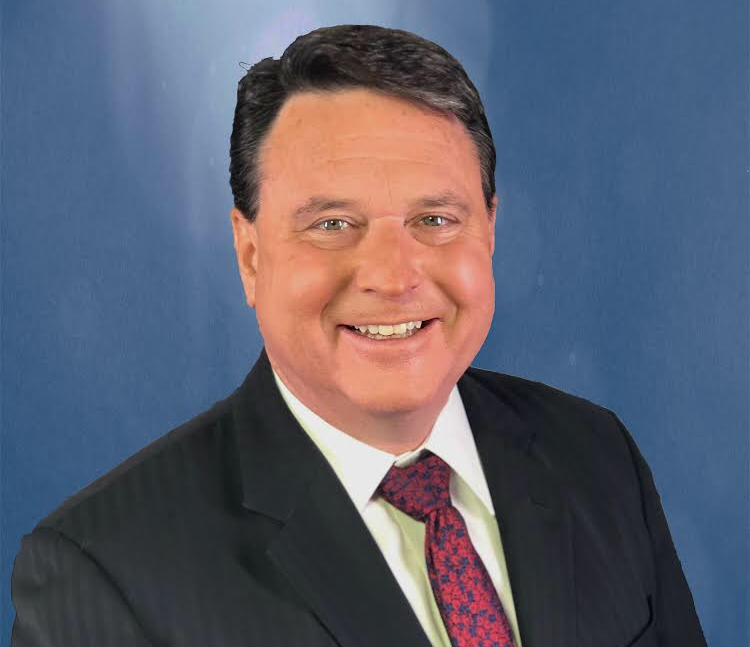
Indiana Attorney General Todd Rokita defended Flock cameras as a law enforcement tool.
“This has been a tremendous help for law enforcement,” Rokita told Jerry Lopez and Ryan Hedrick. “It’s gotten fentanyl off the streets, it’s sent illegal aliens back to their countries, and it’s this whole idea that you can see the movement of a car beyond just an intersection.”
According to Rokita, the state has gotten some “really bad guys and bad drugs off the streets” by using Flock cameras.
The attorney general also addressed concerns about privacy and the storage of information collected by the devices. He argued that people generally do not expect privacy while they’re in public.
“When you’re out in public, you don’t have a right to privacy,” said Rokita.
Rokita used the analogy that, from a legal aspect, the public wouldn’t have any problem with having a police officer observing on every street corner, instead of Flock cameras.
Last month, Monroe County commissioners voted to end their contract with Flock Safety a year early. The commission had the cameras removed mainly due to mounting privacy concerns.
Prominent state figures, including Lt. Gov. Micah Beckwith, have publicly argued that Flock cameras violate a person’s Fourth Amendment rights.

2 comments
Disagree. The way flock cameras are designed and used in a gross violation of the civil rights of American Citizens.
“Rokita used the analogy that, from a legal aspect, the public wouldn’t have any problem with having a police officer observing on every street corner, instead of Flock cameras.”
There’s a difference between law enforcement physically “observing” and a third party recording everything and then running license plate information.